Source Owl Shape Solar Animal Repeller for Gardens, Farms, and Yards
Compare 30 owl shape solar animal repeller options from verified Chinese manufacturers. These ultrasonic and electronic traps offer customizable designs, CE and RoHS certifications, and app control features for effective pest management in outdoor spaces; compare the available evidence and request quotations based on your requirements.
Key considerations
Products List




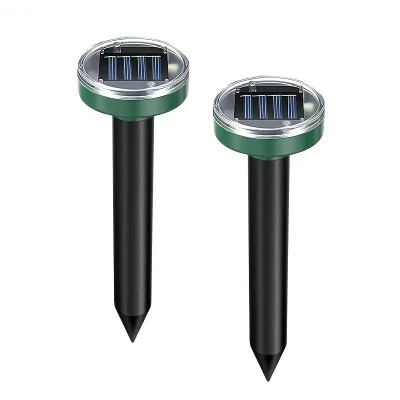


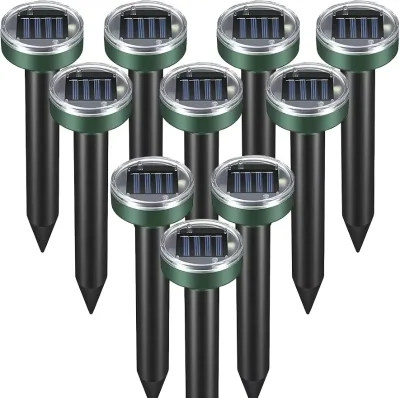

Comprehensive Sourcing Guide
Owl Shape Solar Animal Repeller Sourcing Guide
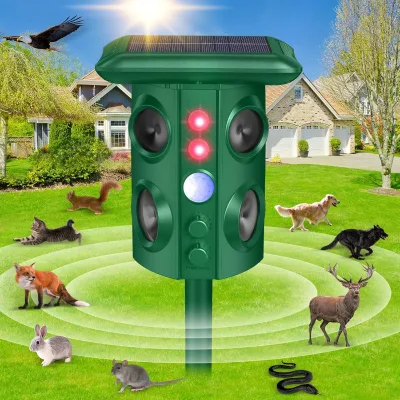
Procurement teams evaluating owl shape solar animal repellers must first distinguish between ultrasonic and electronic trap technologies, as the supplied data indicates a mix of both types in the market. While some listings explicitly describe ultrasonic repellers designed to deter pests through sound waves, other entries reference electronic traps intended for physical capture or specific animal types like wolves and foxes. Buyers should verify the exact mechanism before ordering, as the operational principle dictates the suitability for different environments and pest control strategies.
The observed product range includes units powered by solar energy, electric sources, or rechargeable batteries, requiring careful alignment with site infrastructure. Listings confirm that many devices feature app control capabilities and are designed for outdoor applications in spaces exceeding 100 square meters. Sourcing decisions must account for these power variations and control interfaces to ensure the selected unit integrates seamlessly with existing security or pest management systems without requiring extensive retrofitting.
Product Scope and Observed Listing Signals
Buyers analyzing the current market will encounter a diverse array of models, such as the NRPT012, KDPS013, and RH638, each with distinct physical dimensions and packaging requirements. The data shows standard package sizes ranging from compact units measuring 2.7 by 9.6 centimeters to larger units around 36.7 by 14.3 centimeters, necessitating precise logistics planning for storage and shipping. Procurement teams must match the specific model number to the intended application area, as the physical footprint directly impacts installation density and visibility in the target zone.
Customization is a prominent feature across the observed listings, with suppliers offering OEM/ODM services and the ability to accept customized logos. This flexibility allows buyers to brand the devices for specific corporate identities or project requirements, though it introduces complexity in the ordering process. Teams should clarify the extent of customization early, as options like color variations and specific packing types, such as cartons or brown boxes, can significantly alter the final product specifications and lead times.
Technical Specifications to Verify
Technical due diligence requires confirming the power supply type, as the market offers solar, electric, and rechargeable options that function differently in various weather conditions. Solar-powered units are ideal for remote outdoor locations, but buyers must verify the battery capacity and charging efficiency to ensure consistent operation during extended periods of low sunlight. The presence of app control in some models adds a layer of connectivity that demands compatibility checks with the buyer's mobile devices and network infrastructure.
Dimensional accuracy is critical for installation, given the wide variance in standard sizes observed, from 6 by 6 centimeters to 15 by 15 centimeters. Buyers must ensure the selected model fits the designated mounting points and does not obstruct the intended coverage area, which is often specified as greater than 100 square meters. Additionally, the material composition, typically PC plastic, should be evaluated for durability against UV exposure and environmental wear to guarantee long-term performance in outdoor settings.
Compliance and Safety Documentation
Regulatory compliance is a primary concern, with observed listings frequently citing CE, RoHS, and CCC certifications as standard attributes. Procurement teams must request valid certificates for each specific model to ensure the devices meet the safety and environmental standards of the destination market. Relying on general claims without verifying the specific test reports for the ordered batch can lead to customs delays or legal liabilities in regions with strict electronic waste and safety regulations.
Safety documentation must also address the specific pest control type, whether the device is an ultrasonic repeller or an electronic trap. The data indicates applications for repelling animals such as wolves, foxes, dogs, and coyotes, which requires clear labeling of the device's effectiveness and intended use. Buyers should ensure that the product documentation explicitly states the safety mechanisms for non-target species and humans, particularly for devices that emit high-frequency sounds or utilize electrical components in outdoor environments.
Cost Drivers and Commercial Terms
Pricing in this category exhibits a broad range, with observed listings spanning from 1.5 to 200 USD, driven by factors such as power source, customization level, and included technology. Solar-powered units with app control and advanced customization options typically command higher prices compared to basic electric models. Procurement teams must analyze the total cost of ownership, including the potential need for replacement batteries or maintenance, rather than focusing solely on the initial unit price.
Minimum Order Quantities (MOQ) vary significantly, with observed ranges from 20 pieces to 2000 pieces, influencing the economic viability of small-scale trials. Buyers with lower volume needs should negotiate flexible terms or seek suppliers willing to accept smaller batches, while larger orders may unlock better pricing tiers. The sample time of 5 to 7 working days is a standard metric for evaluating supplier responsiveness, and teams should factor this into their project timelines to avoid delays in product validation and final deployment.
Supplier Qualification and Quality Control
Supplier qualification should prioritize manufacturers with a proven track record in the Zhejiang and Henan regions, where the majority of these products originate. Buyers must verify the supplier's capacity to handle customization requests, such as logo printing and specific packaging, without compromising the structural integrity of the device. The acceptance of customized logos and the availability of OEM services are strong indicators of a supplier's flexibility and commitment to meeting specific buyer requirements.
Quality control protocols must include rigorous testing of the product's effectiveness and durability, especially given the claim of long-term effectiveness for pest management. Teams should request sample units to test the rechargeable battery life, solar charging efficiency, and the reliability of app connectivity under real-world conditions. Establishing a clear quality assurance agreement that defines acceptable defect rates and return policies is essential for mitigating risks associated with bulk procurement of electronic pest control devices.
Long-Term Procurement Checks
Sustainable procurement requires monitoring the long-term performance of the devices, particularly regarding the durability of the PC material and the lifespan of the solar components. Buyers should establish a feedback loop with end-users to track the effectiveness of the repellers over time and identify any recurring issues with power supply or connectivity. The observation that these devices are designed for outdoor use necessitates regular maintenance schedules to ensure they continue to function effectively in varying weather conditions.
Future-proofing the supply chain involves staying informed about updates to certification standards and technological advancements in pest control. As regulations evolve, suppliers must be able to provide updated compliance documentation for their product lines, ensuring that the inventory remains legal and safe for use. Procurement teams should maintain a relationship with suppliers who demonstrate a commitment to continuous improvement and innovation, ensuring a steady supply of reliable and compliant owl shape solar animal repellers.
FAQs
What power sources are available for these repellers?
These devices utilize both solar and electric power supply options to ensure reliable operation in various outdoor environments. The solar-powered models are designed for continuous use without external wiring, while electric variants offer consistent performance. This dual approach allows buyers to select the most suitable energy source for their specific pest management needs and installation sites.
Can I customize the logo and packaging for bulk orders?
Yes, customization is available for bulk orders, including customized logos and packaging options. The supplier welcomes OEM and ODM requests, allowing buyers to brand the products with their own identity. Standard packing uses cartons or brown boxes, but specific requirements can be discussed to meet your marketing and distribution needs effectively.
Which certifications do these ultrasonic repellers hold?
The products hold CE, RoHS, and CCC certifications, ensuring compliance with international safety and environmental standards. These certifications verify that the ultrasonic devices meet rigorous quality and regulatory requirements for export and domestic use. Buyers can rely on these documented standards when sourcing for markets with strict electronic product regulations.
What is the typical MOQ for these animal repellers?
The minimum order quantity varies, with observed ranges from 1 to 2000 pieces depending on the specific model and customization level. Some items have an MOQ of 20 pieces, while others may require higher volumes. Buyers should check the specific product page for the exact MOQ applicable to their desired model and configuration.
How effective are these traps for long-term pest control?
These electronic traps are designed for long-term effectiveness in repelling animals such as owls, foxes, dogs, and coyotes. The ultrasonic technology provides a non-lethal deterrent method suitable for outdoor spaces larger than 100 square meters. The portable and rechargeable design ensures sustained operation for ongoing pest management needs.
Where are these repellers manufactured and shipped from?
These products are manufactured in China, with specific origins noted in Zhejiang and Henan provinces. The items are packed in cartons or brown boxes for safe shipping. Buyers can expect standard export packaging that protects the devices during transit from these manufacturing hubs to global destinations.